How Church Planting Actually Works (And the Role You Play as a Pastor)

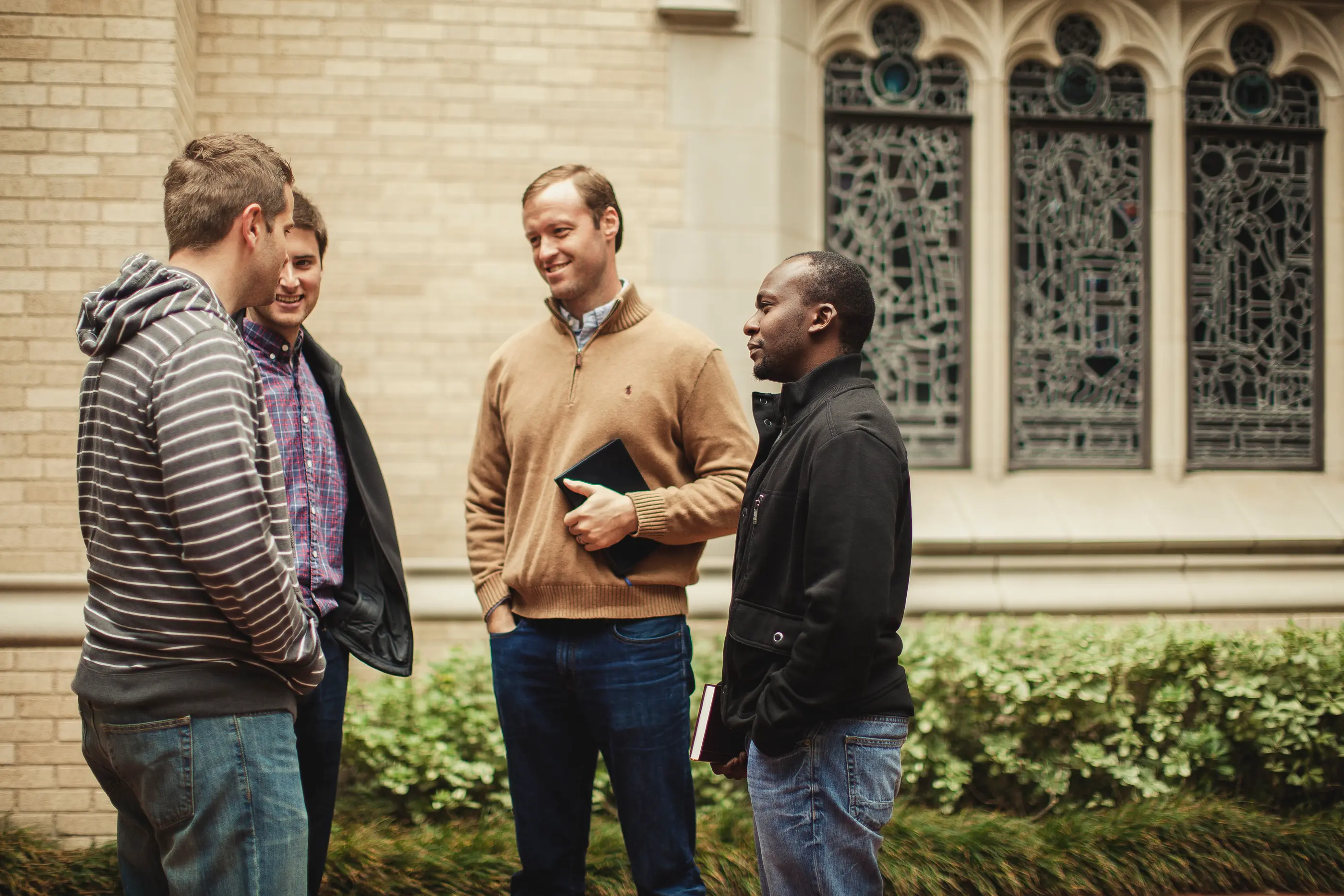
Have you ever had someone on your team who made you think, “There might be more in them…”?
Maybe it’s a staff member. A resident. A high-capacity volunteer. Someone who leads well, gathers people, takes initiative, and carries a burden for those far from God.
At some point, the question starts to surface:
Could they be called to plant a church?
That’s where the process begins. Not with a program. Not with pressure. But with a conversation.
It starts with discernment, not recruitment
At Converge MSC, we’re not trying to convince people to plant churches.
This isn’t a recruiting pipeline like a sales funnel or a military office trying to sign people up.
Our goal is simple: help people clearly discern their calling and gifting.
And that process often begins with you, the pastor.
You see people up close. You know their character, their leadership, their relationships, and their blind spots. You’re in the best position to notice when someone might have the potential for something more.
When that happens, the next step isn’t to push them out.
It’s to invite us into the conversation.
We come alongside, not take over
When a pastor reaches out and says, “Hey, I’ve got someone I’d like you to meet,” we simply begin getting to know them.
No assumptions. No pressure. Just conversation and exploration.
If there seems to be real potential, we move into a more structured pre-assessment process, which includes tools that help us understand:
- How they think about ministry
- Their theological convictions
- Their personality and wiring
- Their leadership tendencies
This gives us a clearer picture of who they are and how they’re wired.
From there, together, we discern whether it makes sense to take a next step.
The assessment process brings clarity
For those who move forward, we invite them and their spouse into a Church Planting Assessment Center.
This is not a tryout. It’s a discernment environment.
Over a few days, we observe how they lead, communicate, problem-solve, and relate in real situations. They also receive coaching, feedback, and input from experienced leaders.
At the end, there are three possible outcomes:
- Recommended – ready to plant
- Conditionally recommended – clear next steps for development
- Not recommended – better suited for a different role in ministry
Every outcome is helpful. Every outcome brings clarity.
Because again, the goal is not to “produce planters.”
The goal is to help people understand how God has wired and called them.
Let’s address the concern every pastor feels
You might be thinking:
“If I open this door, am I going to lose one of my best people…to a church down the street?”
That’s a fair concern. And it’s one we take seriously.
Here’s what you should know:
- Church planting is rarely immediate
- It often involves a season of development and preparation
- It is not about pulling people out quickly or disrupting your church
- It is not about planting “down the street” and competing
In many cases, the sending church plays a key role in the process and the timing.
Our heart is to partner with you, not work around you.
Healthy church planting flows out of healthy churches, with alignment, trust, and shared vision.
You play a critical role
Church planting doesn’t start with us.
It starts with pastors who are paying attention.
When you notice potential in someone, you don’t have to figure it out alone.
Just start the conversation.
Loop us in.
Let’s discern it together.
And no matter where it leads, the result is the same:
greater clarity, stronger leaders, and a healthier church.
Want to start a conversation?
If someone comes to mind, we’d love to connect and explore it with you.
Know Someone Called to Plant a Church?



.webp)



.png)